
Methods with research support
Clinical work uses CBT, DBT skills, motivational interviewing, trauma-informed care, and FDA-approved medications where indicated. We do not offer treatments we cannot explain from the evidence.
About
Eternity Recovery Center is an outpatient behavioral health and substance use disorder treatment provider serving adults across the greater Los Angeles area. Care is structured from published science — NIDA, SAMHSA, and the ASAM Criteria — and from a licensed clinical assessment, not from a recovery slogan.
Clinical purpose
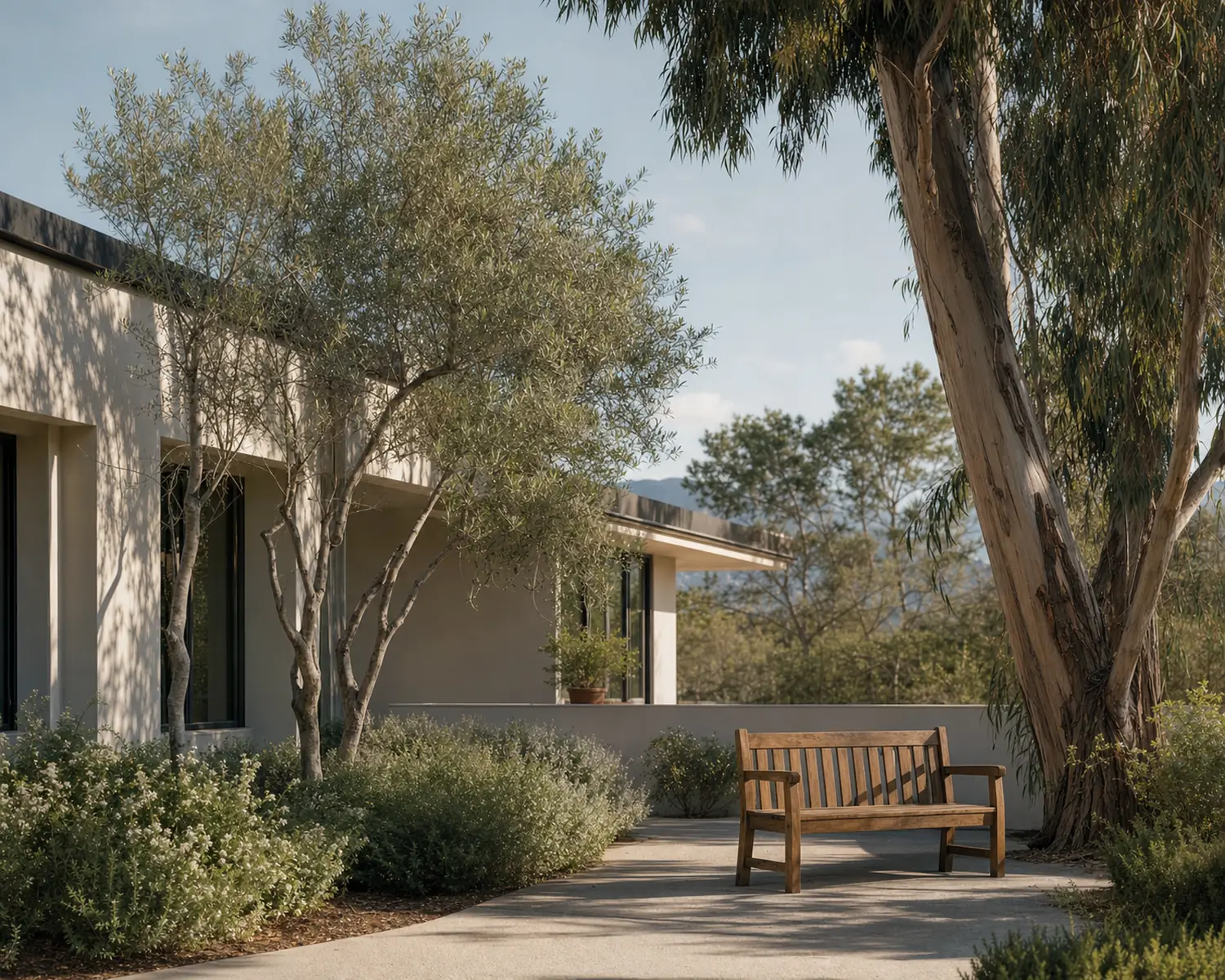
The work is to provide outpatient substance use and mental health treatment that meets DHCS and Joint Commission standards, uses methods with research support, and remains available to adults who need to keep living at home.
That means stating what treatment can and cannot do, recommending only the level of care an assessment supports, and referring out when withdrawal management, residential care, or another specialty is indicated.
Clinical framework
Clinical work uses CBT, DBT skills, motivational interviewing, trauma-informed care, and FDA-approved medications where indicated. We do not offer treatments we cannot explain from the evidence.
SAMHSA defines co-occurring disorders as a mental health disorder and a substance use disorder present at the same time. Both are assessed and treated on one plan, by one team. Nobody is told to resolve one before the other is addressed. SAMHSA
The ASAM Criteria match people to the right intensity, then reassess whether to step down, stay, or step up. More hours are not automatically better care. ASAM Criteria
A treatment plan is a working clinical document. Goals, therapies, and schedule are reviewed against symptoms, safety, and daily function — not filed away after intake.
Substance use records carry heightened protection under 42 CFR Part 2 in addition to HIPAA. We will not confirm that someone is a client without written authorization, except where the law requires it.
Discharge planning starts before the last week of programming. Aftercare exists because the period after structured treatment is a known high-risk window, not because a program needs a closing ritual.
Accreditation & certification
Both of these are external, ongoing reviews by bodies with no financial stake in our program. They are the most concrete quality signals a treatment provider can offer.
DHCS is the state agency that oversees substance use disorder treatment in California. Certification means our outpatient program has been reviewed against state standards covering clinical services, staffing and staff qualifications, client rights, records, and facility requirements.
For you, in practice: the program is known to the state, subject to state oversight and complaint processes, and required to maintain those standards over time rather than at a single point of approval.
The Joint Commission is an independent, nonprofit accreditor of health care organizations across the United States. Behavioral health accreditation involves on-site survey and continuous review of care planning, clinical documentation, medication practices, environment of care, client rights, and performance improvement.
For you, in practice: an outside body has examined how care is delivered here — not just what our marketing claims — and we are accountable to keeping those standards current.
DHCS certification #191369AP — verifiable through the DHCS directory of licensed and certified facilities. Joint Commission ID #659132 — verifiable through Find Accredited Organizations. If you are comparing providers, we encourage you to ask every program you speak with for theirs.
Facility & environment
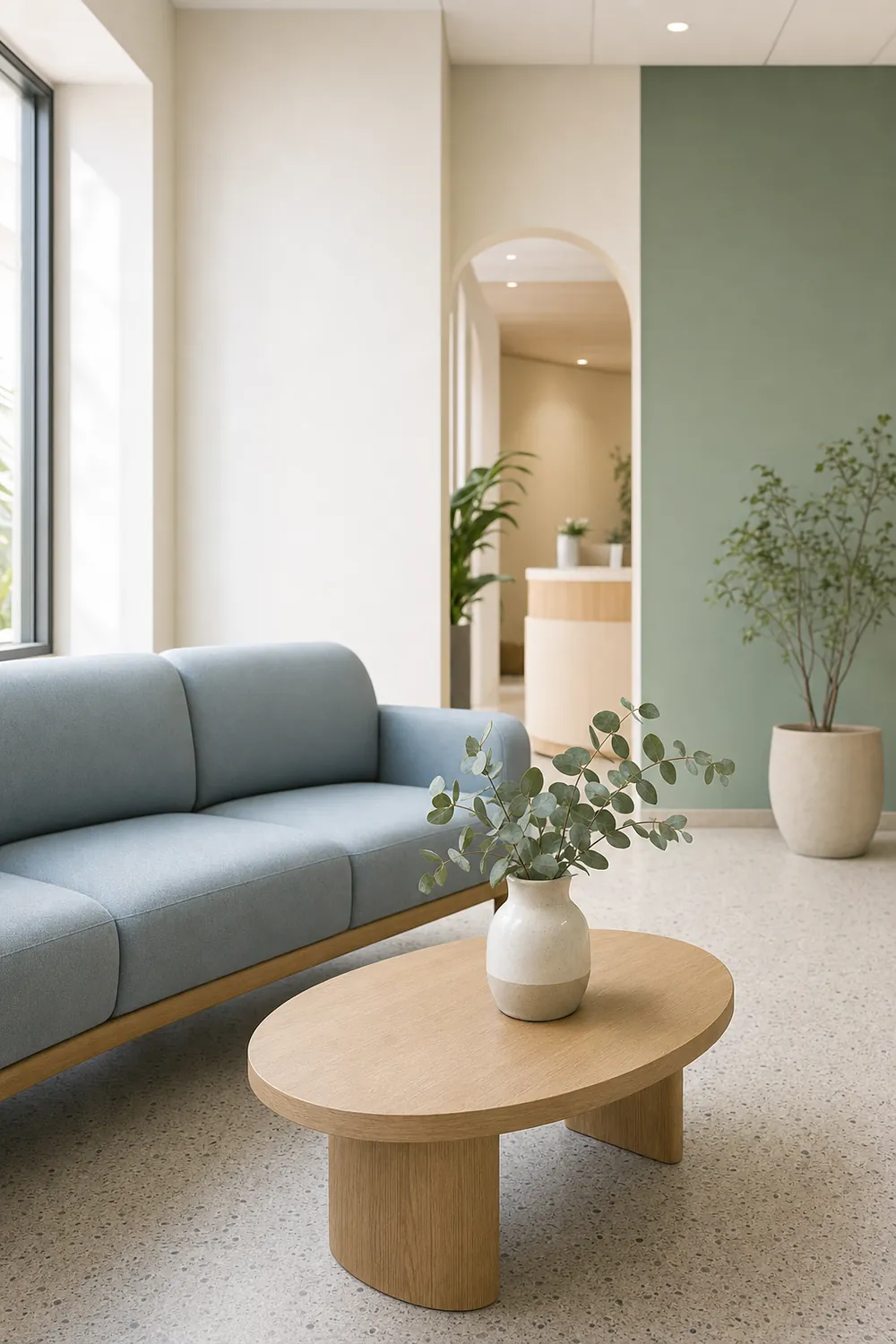
The office uses quiet rooms, natural light, and small groups. Clinical space is separated from waiting space so that arriving and leaving stay private.
Group rooms are sized deliberately small so that people can actually speak. Individual sessions happen in closed consultation rooms. The environment is accessible from across the San Fernando Valley and the greater Los Angeles area.
16946 Sherman Way, Suite 400, Van Nuys, CA 91406 · Greater Los Angeles.
Our team
Care here is delivered by a small, credentialed team rather than by rotating contractors. Individual therapy, groups, and treatment planning are handled by licensed clinicians and by experienced substance use disorder counselors registered or certified through a California-recognized certifying organization, all working under regular clinical supervision by our Clinical Director. Psychiatric evaluation, medication management, and Medication-Assisted Treatment decisions sit with our prescribing providers under the oversight of our Medical Director, and case management connects the clinical plan to housing, referrals, and continuing care.
Medical Director
CA Medical License A123663
Clinical Director
CA Psychologist License PSY 29355
Clinical Psychologist
Doctor of Clinical Psychology
Psychiatric Mental Health Nurse Practitioner
CA License 95026259
Registered Psychological Associate
CA Registration 94028180C
Registered Nurse
CA RN License 95440744
Substance Use Disorder Counselor
CADC-II Certification A065060924
Substance Use Disorder Counselor
CADC-II Certification Aii051680218
Substance Use Disorder Counselor
CADC-I Certification Ci48060625
Substance Use Disorder Counselor
CATC-I Registration 2415620-I
Individual license and certification numbers are available on request. Roles listed above reflect the positions on our clinical team; the people filling them are added here once their profiles are confirmed.
A confidential conversation with our admissions team carries no obligation and no pressure — you decide what happens next.
Confidential. No obligation.
In an emergency, call 911. For 24/7 crisis support, call or text 988.